Guyana's economy continues to outperform, IMF says
The International Monetary Fund (IMF) has delivered another strong endorsement of Guyana's economic management, saying the country's economy continues to…

The International Monetary Fund (IMF) has delivered another strong endorsement of Guyana’s economic management, saying the country’s economy continues to expand at a “very rapid pace” on the back of booming oil production and broad-based growth across non-oil sectors. In its concluding statement following the 2026 Article IV consultation, the IMF said Guyana’s economic outlook remains “highly favorable,” while urging the government to maintain prudent fiscal policies and remain alert to inflationary and other risks associated with the country’s unprecedented growth. The Fund noted that Guyana’s real Gross Domestic Product (GDP) grew by more than 19% in 2025 after averaging nearly 40% annually during 2023 and 2024. Offshore oil production exceeded expectations, surpassing 900,000 barrels per day by the end of 2025—a 35% increase in just one year—with similar production levels maintained during the first half of 2026. Importantly, the IMF said growth is not being driven by oil alone. The non-oil economy continued expanding by about 14%, led by construction but supported by agriculture, mining and manufacturing. The Fund also pointed to an improving labour market, with unemployment falling to 6.2% by the end of 2025, while inflation remained relatively contained at 3.3% before edging higher this year because of rising global energy and food prices. The IMF praised the government’s macroeconomic management, saying continued savings in the Natural Resource Fund (NRF), alongside investments in infrastructure, health and education, are helping diversify the economy while strengthening fiscal and external buffers. It also found no clear evidence that the economy is overheating, although it cautioned that rapid wage growth should continue to be closely monitored. Looking ahead, the IMF expects oil production to continue rising as additional projects come onstream, while forecasting average non-oil growth of around 7% over the next five years. The Fund said higher oil prices and the completion of cost recovery by oil companies will allow a larger share of petroleum revenues to flow into Guyana’s Natural Resource Fund. Despite the positive outlook, the IMF identified several risks. These include the possibility that persistently high oil prices and strong public investment could generate inflationary pressures and appreciation of the real exchange rate, while climate-related shocks remain a threat to economic activity. On fiscal policy, the IMF commended the government for maintaining prudent management of public finances, noting that Guyana continues to have one of the lowest debt-to-GDP ratios in the hemisphere. The Fund recommended that if oil prices remain elevated, the government should save a larger share of the additional revenues rather than significantly increasing spending. It also encouraged greater targeting of subsidies and continued investment in projects that improve productivity and support vulnerable groups. The IMF also welcomed progress in governance reforms, including stronger public financial management, improved digital government services, efforts to resolve outstanding cost-oil audits, and continued work to strengthen anti-money laundering and anti-corruption frameworks. It encouraged Guyana to continue improving public procurement, transparency and oversight of the extractive industries. The Fund further highlighted Guyana’s climate and energy agenda, saying the country remains a global leader in market-based forest conservation while advancing investments in cleaner energy. It noted that the Gas-to-Energy Project is expected to significantly reduce reliance on imported fuel for electricity generation by 2027, lowering energy costs and boosting long-term competitiveness. The IMF concluded that Guyana’s rapid transformation presents enormous opportunities but said maintaining sound fiscal discipline, strengthening institutions and continuing economic diversification will be essential to ensuring that today’s oil wealth delivers sustainable prosperity for future generations.
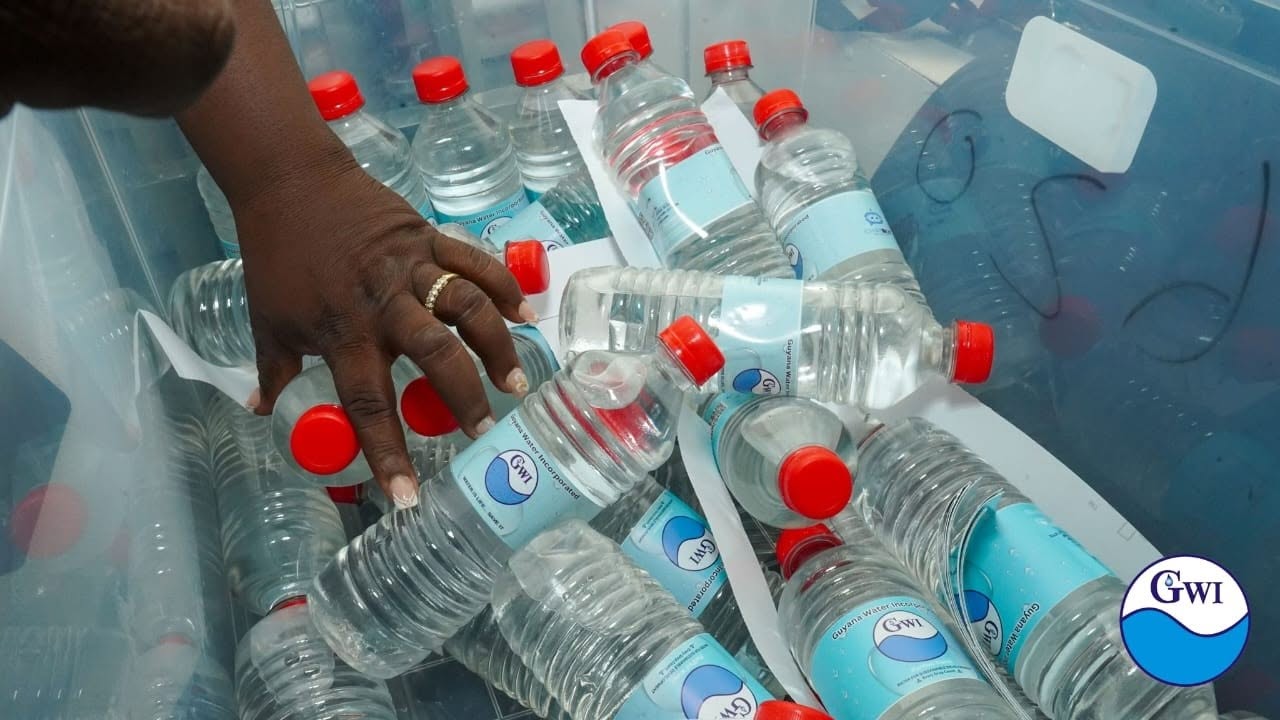 Related storyGovt’s water bottling plan could crush private sector – GMSAKaieteur News · 2h ago
Source
Originally published by Newsroom
Online news platform
Related Articles
 From guiding offshore operations as an ROV Pilot to becoming the Managing Director at Offshore Innovators…Newsroom · 9h ago
 Fisherfolk and seafood vendors in Region Two are appealing for urgent financial assistance and a public…Ignite News · 9h ago
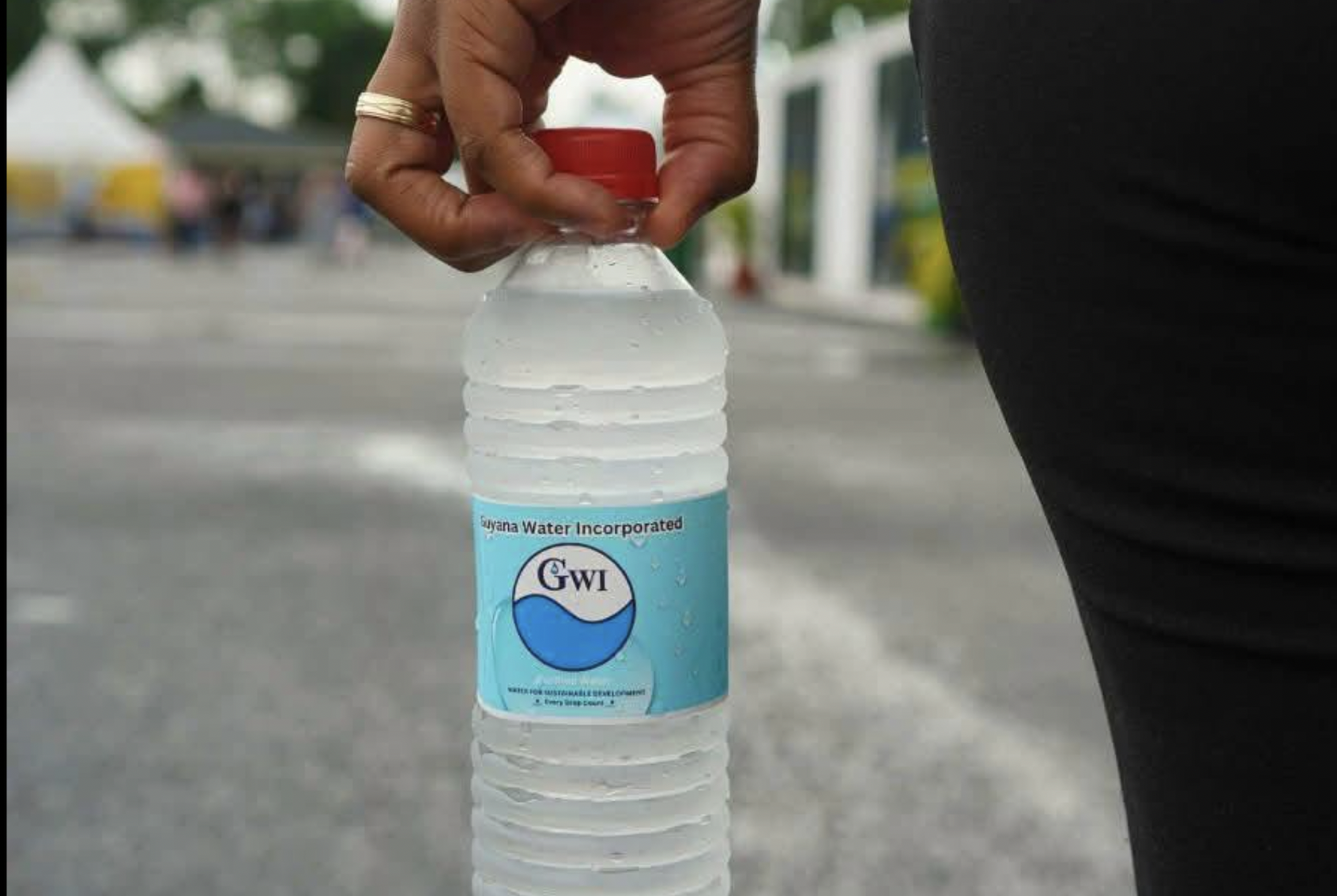 Local Manufacturers flag Government's move to compete in bottled water industry through GWINews Source Guyana · 12h ago
 Salman Narine, a fisherman on the Essequibo Coast, speaks of his losses following the MV Barima tragedy after…Ignite News · 14h ago


What readers are saying (0)
View all commentsNo comments yet — be the first to weigh in.